Making Physical Space Part of the Internet
I am a technology leader with a passion for building practical, scalable solutions while fostering a culture of continuous learning and excellence within engineering teams. My experience spans embedded systems, AI, automotive, and large-scale system architecture. I believe in empowering engineers to lead, learn, and drive meaningful impact in the products they build.
When you open a browser today, you already know what you are looking for. You type a name like ‘google.com’ or ‘wikipedia.org’ and the Internet instantly finds it for you. It is a simple, invisible process that powers the web we know.
But what happens when you do not have a name? What happens when the only thing you know is where you are standing right now? This is a growing problem, and it is one the current Internet is not built to solve.
What’s Missing Today
Technology is changing how we interact with the world. We are moving away from looking at screens in our hands to interacting directly with the environment around us. Whether it is smart glasses overlaying digital images on the real world, self-driving cars reading traffic signs, or smart cities beaming information to phones as people walk by, the context is shifting.
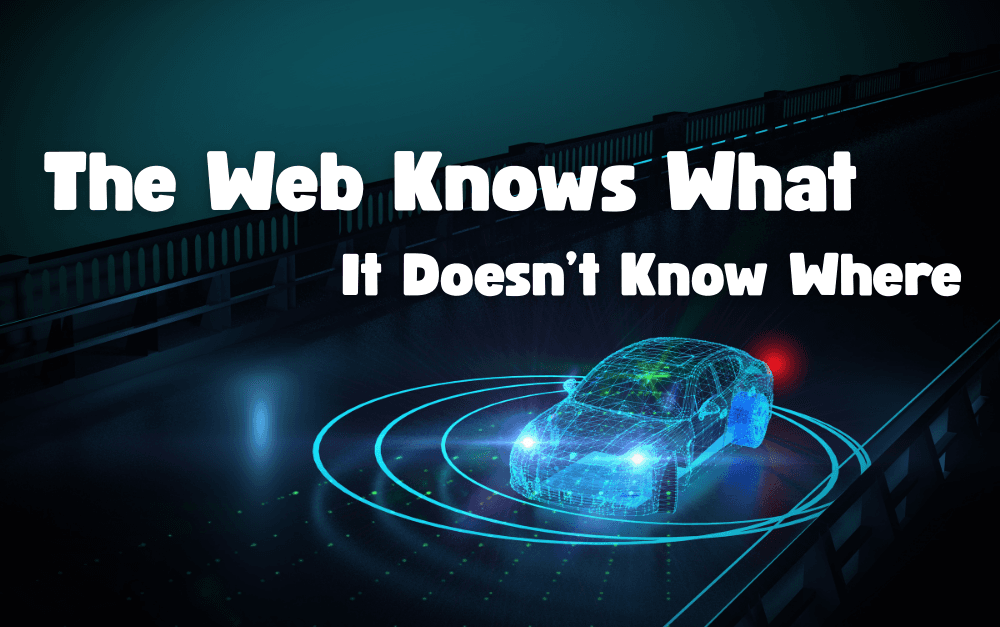
In all these cases, the computer is not asking for a website name. It is asking a totally different question. It wants to know what digital information exists at its specific GPS coordinate. Today’s Internet cannot answer that question easily because it was built to resolve names rather than physical places.
Why Location Data Is Fragmented
Currently, spatial information is trapped in closed ecosystems. If you want to find digital data about a location, you usually have to be in the right app to see it. Augmented Reality glasses typically rely on their own private maps, while self-driving cars see only the data provided by their specific manufacturers. Even though these systems operate on the same physical street, they function like walled gardens. They are unable to see or share data with one another. There is no universal way for a device to simply ask if there is anything important nearby, regardless of who made the device.
Introducing Geospatial Resource Discovery (GRD)
To address this gap, I recently published a proposal for the IETF, the organization that develops the standards that keep the Internet running. The proposal is called Geospatial Resource Discovery (GRD). It does not attempt to invent a complex new technology. Instead, it proposes a standard architectural way for devices to discover the world around them.
The core idea is simple. Imagine laying a giant grid over the Earth. Every square in that grid can hold digital notes.
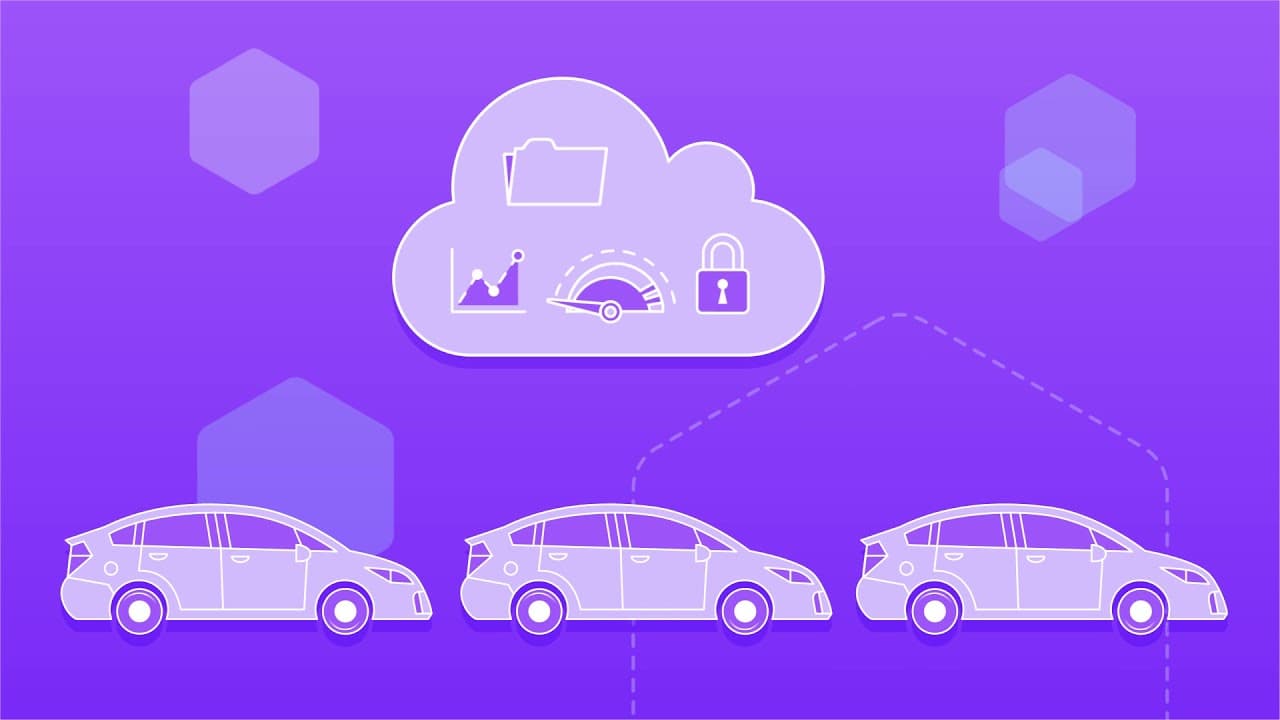
Imagine an autonomous car approaching an intersection where a temporary road hazard has been reported minutes earlier by city infrastructure. With Geospatial Resource Discovery, the vehicle can discover a signed safety warning attached to that physical location without relying on a proprietary backend or a preconfigured API.
When you walk down the street, your device simply identifies which squares of the grid you are looking at and asks if there are any notes like this attached to them.
Why This Approach Matters
This method offers several key advantages, starting with privacy. In this system, your device does the heavy lifting. It downloads the notes for the general area you are occupying, and then filters them locally to decide what to show you. This means you do not have to reveal your exact gaze direction or track your every movement with a central server.
Furthermore, this creates a truly open web. It ensures that a robot, a video game, and a city guide can all use the same standard to find data, rather than being locked into separate platforms. It also allows for safety-critical information, like road closures or hazards, to be verified so that devices know the data is real and trusted.
The Vision
If we do not fix this now, the future of the spatial web will be fragmented. It will require different hardware to see different layers of reality. Our goal is an open spatial web where physical space is a first-class citizen of the Internet. It must be accessible to everyone, regardless of the device they use.
This proposal is just the start of the conversation. If you are a developer, or if you work in robotics, AR, or smart cities, I would love to hear your thoughts on how we can build this together.
Read the full proposal here: draft-kartha-grd-01